Build Securely.
Without Slowing Down.
ThreatModeler automates and scales threat modeling across your development workflows, keeping security teams ahead of architectural risk, and developers moving at AI speed.
Trusted by leading enterprises worldwide




Meet Nexus: Your Agentic Threat Modeling Platform
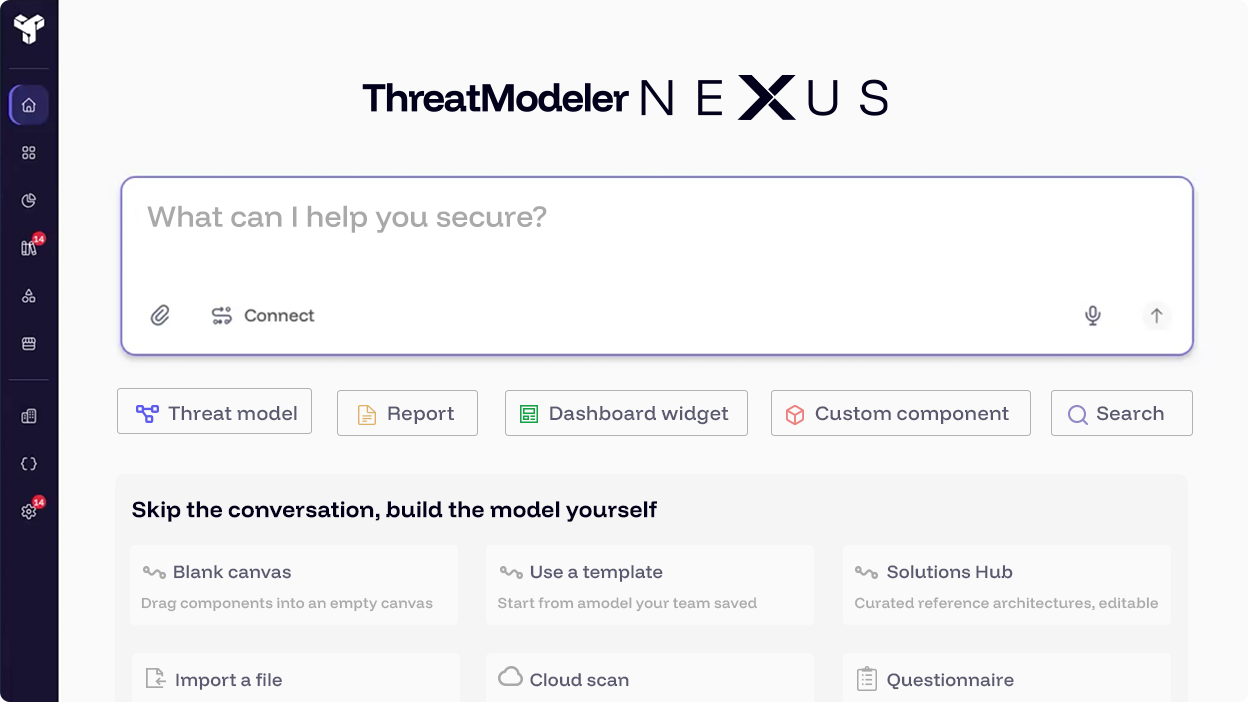
ThreatModeler Nexus is the agentic threat modeling platform built to keep pace with modern development.
Let AI take on the heavy lifting of threat modeling - from model creation and threat analysis, to identifying changes and proposing updates. Scale security across more applications with less manual effort, powered by your organization's connected security intelligence.
Automate the Work
Let NexusAI handle the groundwork of creating and analyzing threat models, identifying risks, and proposing updates, so security experts can focus on what matters.
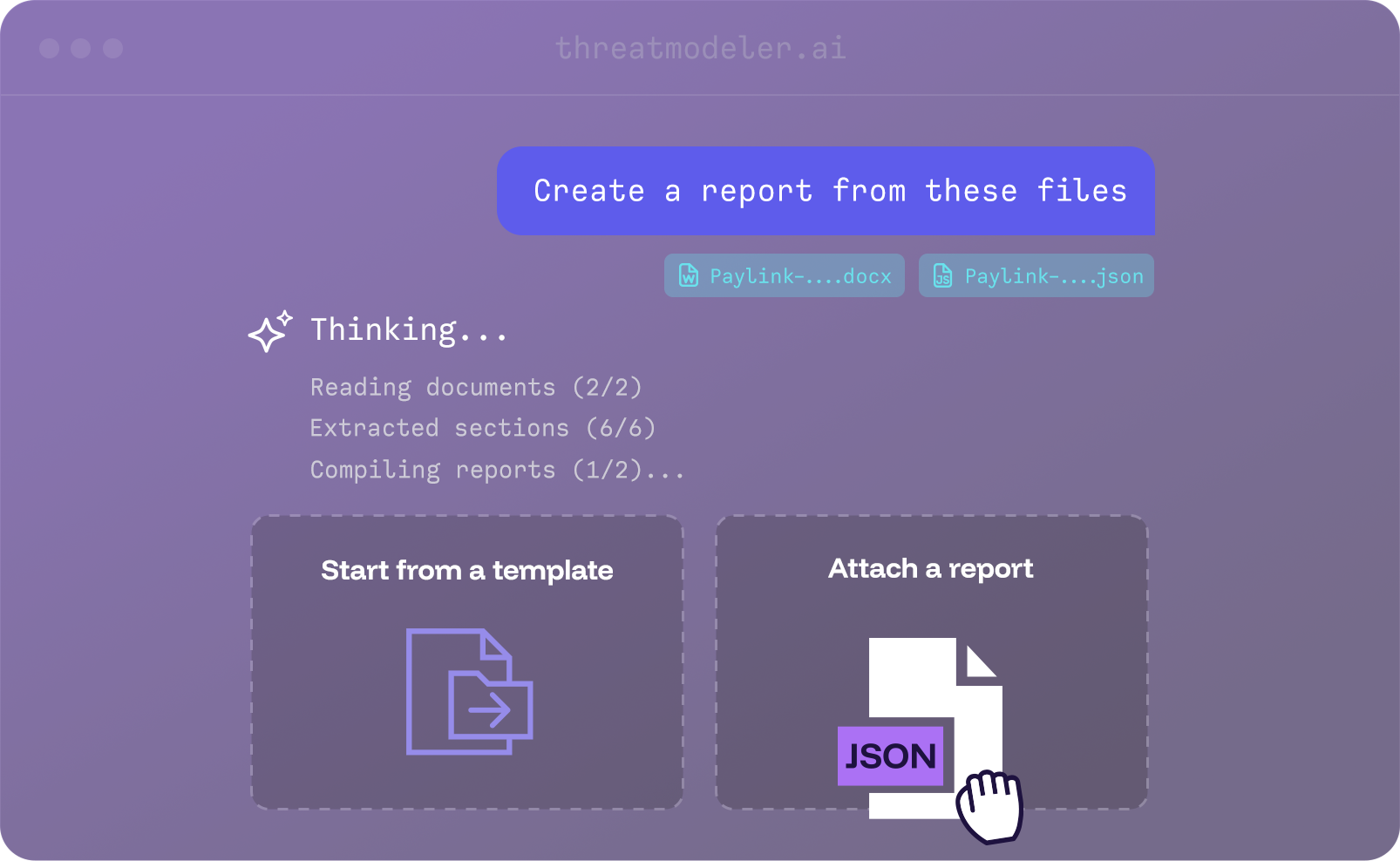
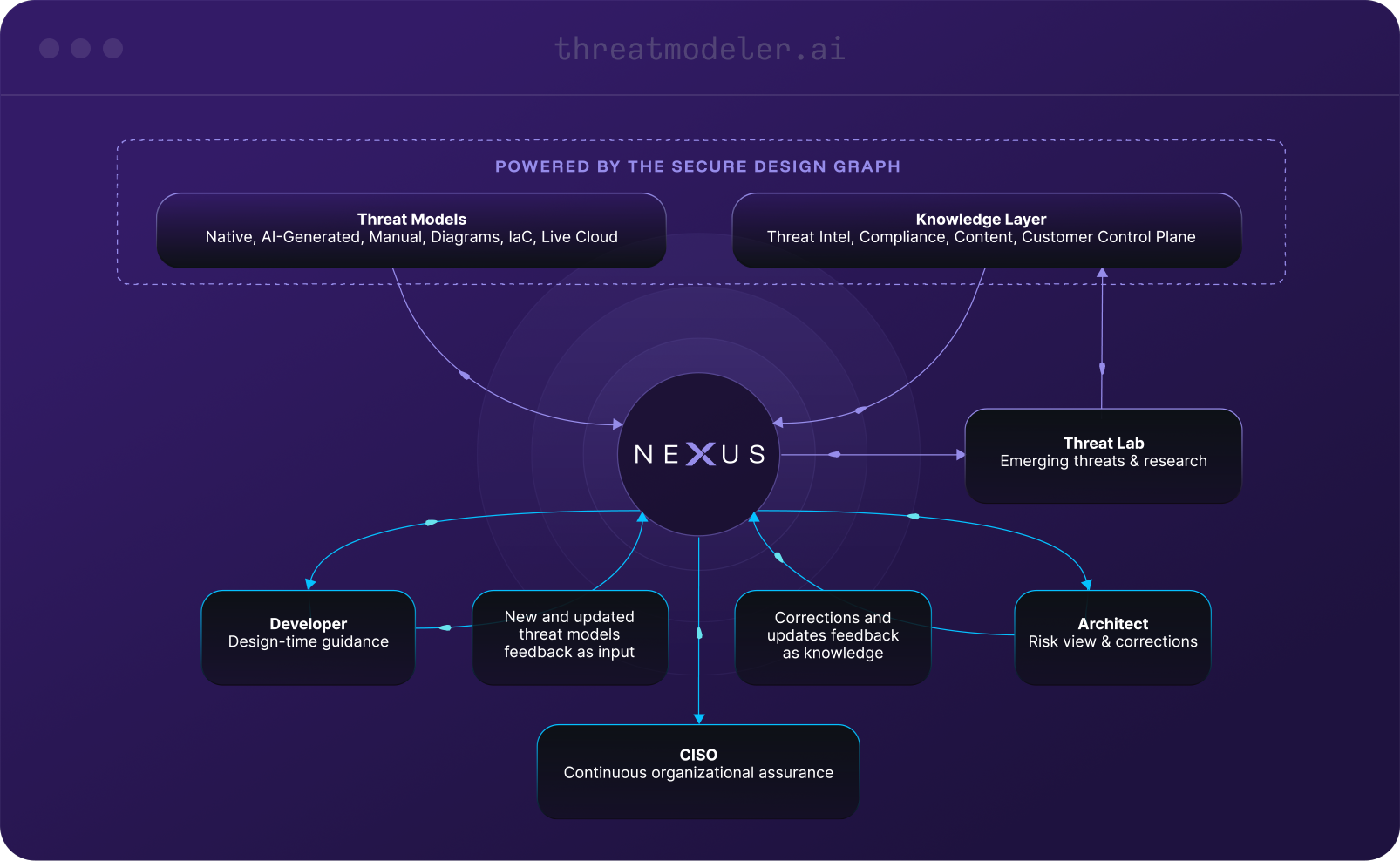
Build Security Intelligence
The Secure Design Graph connects architecture, threats, controls, and security decisions so NexusAI can build on existing knowledge instead of starting from scratch.
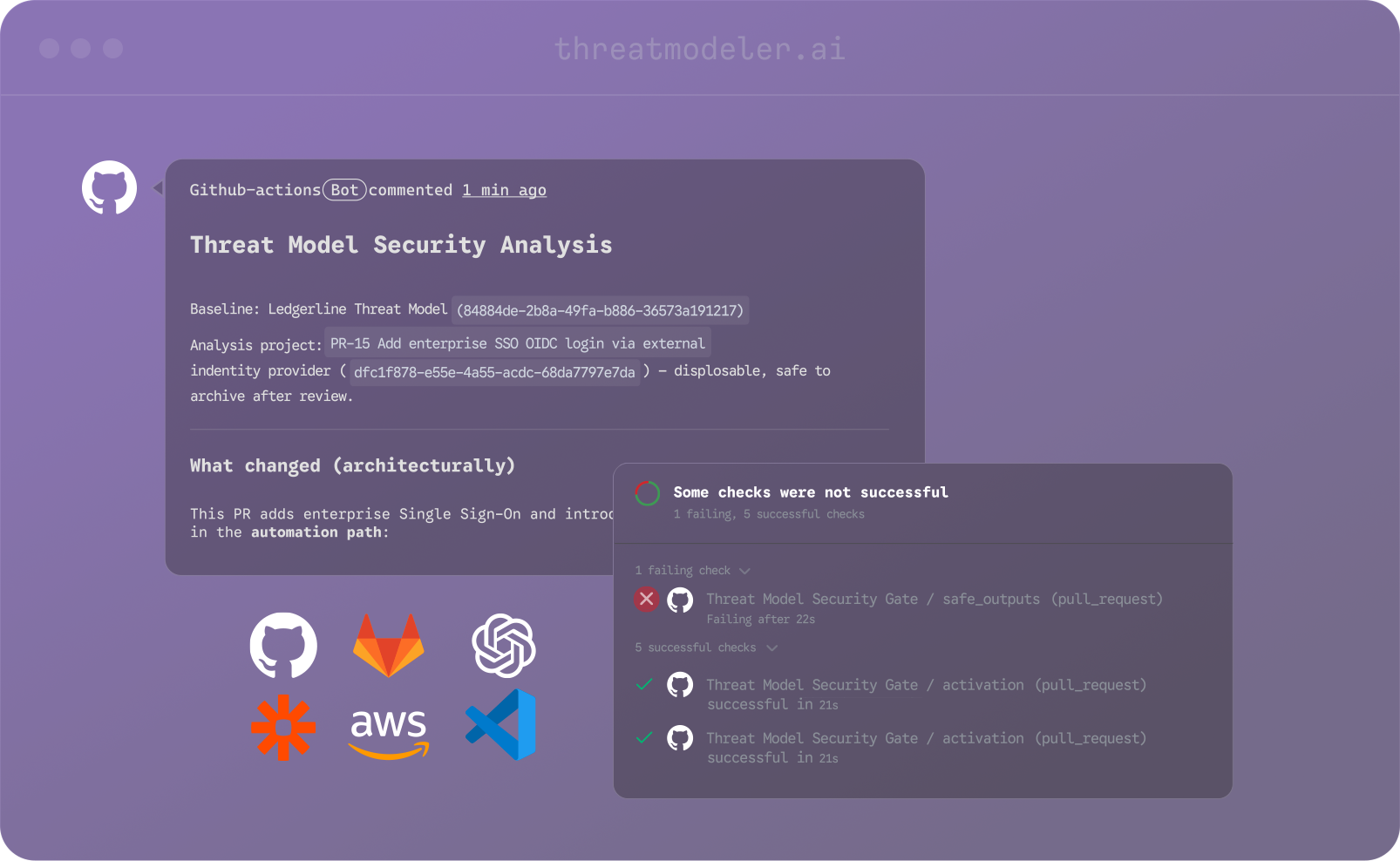
Scale Security with Development
Bring AI-powered threat modeling into the tools developers already use through the ThreatModeler MCP Server, helping security keep pace as software evolves.
Security That Keeps Business Moving
Reduce the manual work of threat modeling, accelerate analysis,
and scale security coverage without scaling your team's workload.
50%
LESS EFFORT
5×
FASTER MODELS
10×
MORE MODELS PRODUCED
AI That Does More Than Generate Threat Models
Go beyond one-off AI outputs with architecture-aware analysis, connected security intelligence, and enterprise governance - built to make threat modeling scalable and repeatable.
Analyze threats in the context of your actual architecture
Delivers consistent analysis grounded in governed security knowledge
Connects threats, controls, and decisions for traceability
Identifies architecture changes and proposes updates for review
Supports enterprise security requirements and audit evidence
Scale Threat Modeling, Not Effort.
Keep security moving at the speed of development with agentic AI that takes on the heavy lifting and helps your team protect more applications.
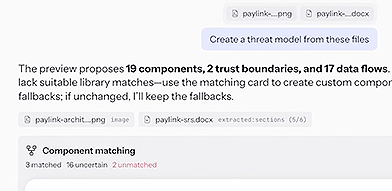
Build Faster
Automate threat modeling tasks and bring security into development workflows.
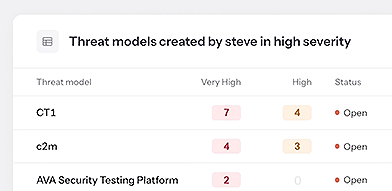
Prioritize Risk
Extend threat modeling across more applications without proportionally increasing manual effort.
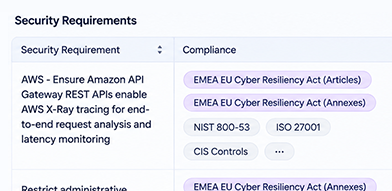
Prove Compliance
Connect threats, requirements, and security decisions to support governance and audit readiness.
Stop Chasing Changes.
Start Staying Ahead.
See why leading enterprises use ThreatModeler Nexus to automate threat modeling, reduce manual effort, and scale security at the speed of development.
